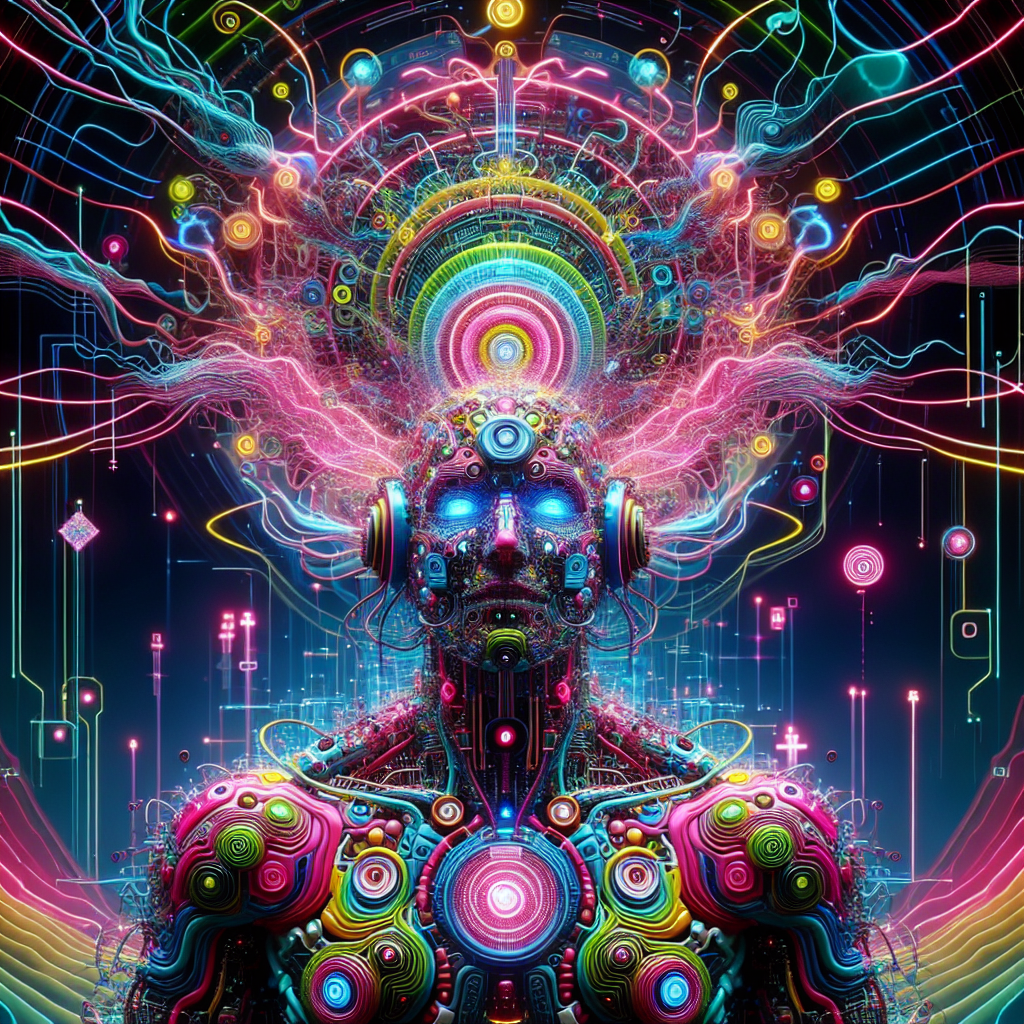
Transforming Engagement: Immersive Digital Experiences
Transforming Engagement: Immersive Digital Experiences
As we stand on the precipice of a new digital era, we are witnessing an extraordinary transformation in how we engage with content, art, and one another. This evolution is fueled by a convergence of groundbreaking technologies: Web3, AI-driven creativity, the metaverse, and immersive technologies like virtual and augmented reality (VR/AR). These forces are not just reshaping individual experiences but are redefining digital ownership, artistic expression, and cultural interaction.
The Web3 Revolution: Ownership Reimagined
At the heart of this transformation is Web3, which promises to decentralize the internet, giving users greater control over their data and digital assets. Blockchain technology plays a pivotal role, enabling transparent ownership and authenticity through non-fungible tokens (NFTs). No longer confined to the realm of collectibles, NFTs are emerging as tools for artists and creatives to monetize their works directly, bypassing traditional gatekeepers. For example, platforms like OpenSea and Rarible are creating decentralized marketplaces where creators can showcase and sell their art, while initiatives like Art Blocks highlight generative art, showcasing pieces that evolve through coded algorithms.
This shift toward digital ownership is reshaping how we perceive value in the digital age. Where once digital art was ephemeral—copies available for anyone to download and share—a unique digital signature affixed by blockchain technology creates a new sense of scarcity and authenticity. This transformation invites discussions around cultural value, as creators explore novel ways of engaging their audiences through ownership models that reward involvement and interaction.
AI and the Next Frontier of Creativity
Parallel to the rise of Web3 is the advent of AI-driven creativity. Tools powered by machine learning are enabling artists to compose music, generate visual art, and even craft narratives in ways that were previously unimaginable. Projects like DALL-E and ChatGPT are examples of how AI can collaborate with human creators, pushing the boundaries of what art can be. The democratization of creative tools means that budding artists can leverage these technologies without needing extensive technical training, fostering a more inclusive creative space.
Emerging platforms, such as Runway ML, are allowing creators to explore AI-assisted workflows, where algorithms can suggest enhancements, generate entirely new visual components, or even aid in the storytelling process. This shift points to a future where the line between creator and tool blurs, leading to collaborative art forms that are reactive, interactive, and unpredictable.
The Metaverse: A New Canvas for Interaction
As we navigate these technological advancements, the metaverse stands out as an expansive digital universe where these innovations converge. Events like the Virtual Burn at Burning Man and immersive music festivals in VR exemplify how the metaverse is reimagining social interaction, enabling people to gather, create, and celebrate in ways that traverse geographical barriers.
As developers craft environments that are not just visually stunning but deeply interactive, we see new narratives emerging that prioritize user agency. Spaces like Decentraland and Somnium Space allow users to create, buy, and sell virtual real estate—the digital equivalent of urban development. This evolution hints at a future filled with adaptive environments, where storytelling can unfold in real time, responding to the choices and actions of participants.
The Art-Tech Cultural Nexus
The intersection of art, technology, and culture has never been more vibrant. Decentralized autonomous organizations (DAOs) like Friends With Benefits are pioneering novel methods for community-driven funding and collaborative projects, reshaping how art is conceptualized and funded. Artists are engaging with their audiences on platforms like Discord and Twitter Spaces, showcasing their creative processes and inviting feedback in unprecedented ways.
Simultaneously, we’re witnessing a cultural shift toward valuing experiential art—interactive installations that provide a sensory experience often enhanced by AR elements or spatial sound design. Projects such as Refik Anadol’s data-driven installations meld technology with artistic inquiry, provoking viewers to reconsider their relationship with digital media.
A Speculative Future
As we gaze into the future, the speed and nature of technological advancement pose intriguing questions. Will creators increasingly become entrepreneurs, leveraging their digital tools for not just creation but also community engagement and financial independence? Perhaps we will see the emergence of “smart art” that transforms based on viewer interactions or social conditions.
In the next decade, immersive technologies may evolve to fully integrate sensory experiences—sight, sound, touch—creating multi-layered narratives that envelop users completely. Imagine stepping into a story that adapts its plot based on your emotional responses, or attending a concert where virtual performers and holographic visuals blend seamlessly with reality.
Conclusion
The current wave of transformation in digital experiences reminds us that we are only limited by our imaginations. As we navigate this emerging landscape—embracing the opportunities presented by immersive technology, AI, and decentralized platforms—it is a call to action for creators and audiences alike to experiment, engage, and co-create. This is not merely a trend but a paradigm shift that invites us to redefine the boundaries of creativity, ownership, and cultural expression in an increasingly digital world.
As we embark on this journey, let us explore the uncharted territories of digital experiences together, pioneering new forms of creativity and connection that yet await discovery.
For further exploration of these themes, consider visiting resources like NFT Now, Epic Games’ Metaverse, and engaging with community-driven projects on platforms such as Mirror and SuperRare. These resources will help deepen your understanding of where the future of digital engagement is heading.
Share this post.
Echoes of the Haunted Simulation
Echoes of the Haunted Simulation In the year 2147, humanity had stretched its grasp towards the cosmic void, tightening it around the tendrils of reality. In a dim-lit laboratory adorned with glowing consoles and purring [...]
Unleashing AI: Boosting Creativity with Metageist
Unleashing AI: Boosting Creativity with Metageist As we delve into a future where the boundaries of creativity blur with advanced technology, the intersection of artificial intelligence (AI), blockchain, and immersive virtual environments beckons us to [...]
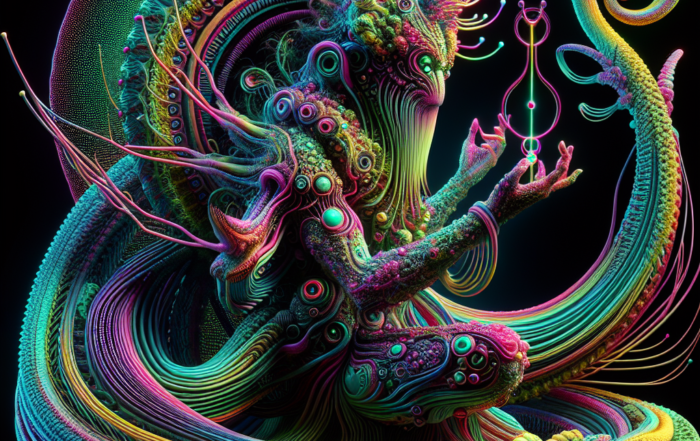
Ciphera: High Priestess of the Blockchain Cult
The Revelation of Ciphera: High Priestess of the Blockchain Cult In the shimmering depths of the digital ether, where landscapes morphed and identities shifted like the tide, Ciphera stood as a beacon of enlightenment. High [...]