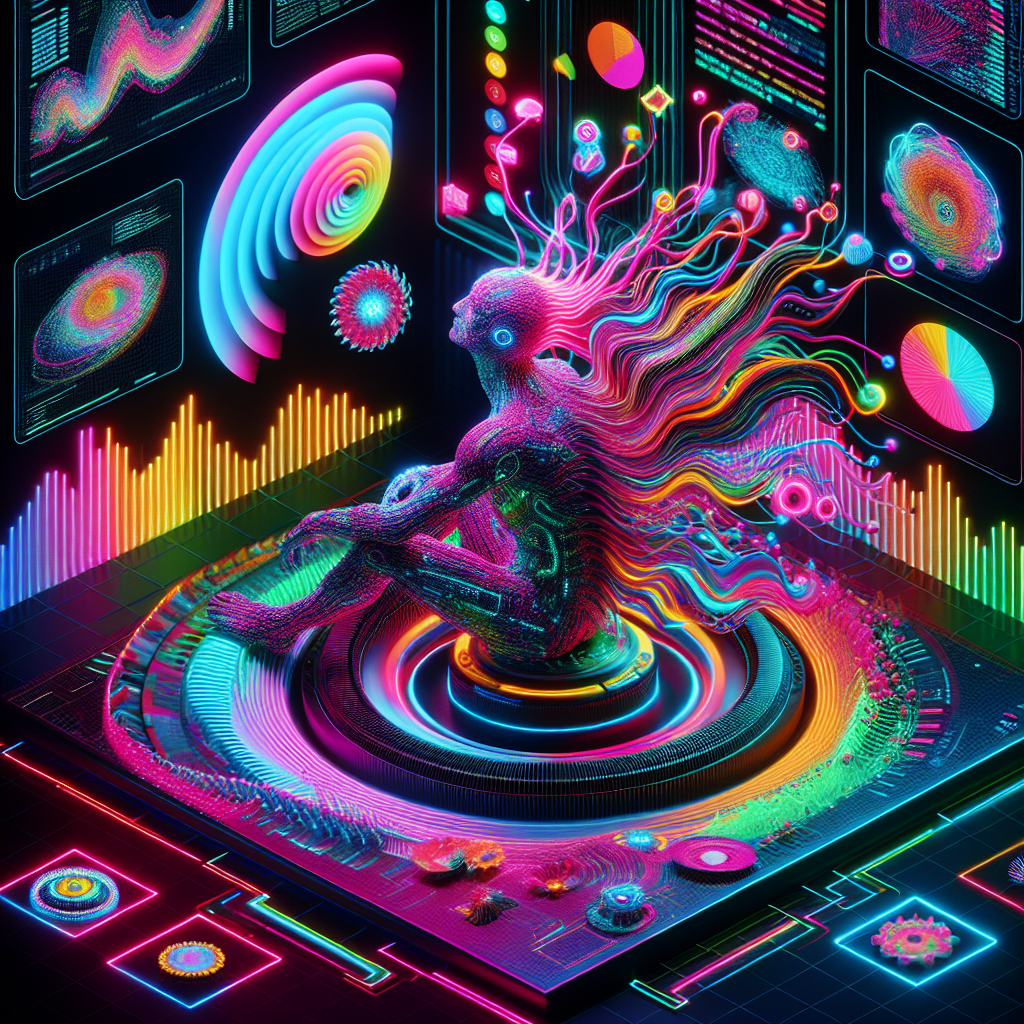
Metaverse Narratives: Shaping Digital Futures
Metaverse Narratives: Shaping Digital Futures
As we stand at the convergence of technology, culture, and creativity, the metaverse emerges as a new frontier for human experience. This expansive digital realm redefines how we interact, create, and engage in the world, offering a glimpse into a future that blends reality with imagination. Within this evolving landscape, seminal technologies—Web3, digital ownership, AI-driven creativity, and immersive experiences—are orchestrating profound changes across various sectors.
Innovative Concepts & Emerging Technologies
Today, the metaverse is not merely a destination but a continuous journey, characterized by immersive tools and technologies. Web3, with its decentralized networks, is revolutionizing how we perceive online interactions. Platforms like Decentraland, where users can buy and develop virtual real estate, or The Sandbox, which allows creators to monetize their games, exemplify the potential of decentralized experiences. As we navigate this digital terrain, it’s clear that the empowerment of users is paramount; they hold the keys to their creations through evolving blockchain technologies.
Simultaneously, augmented and virtual reality (AR/VR) technologies are pushing boundaries. Projects like Spatial are redefining remote collaboration, enabling individuals to meet in brainchild spaces that exist solely in a digital format. Meanwhile, Microsoft Mesh introduces holographic experiences that bring a touch of the fantastical to our everyday interactions, emphasizing the necessity of a collective digital experience. With these technologies, the metaverse is no longer defined by a single application; it’s becoming an ecosystem of interconnected experiences that fuse the physical with the digital.
The Transformation of Ownership & Value
The concept of ownership is shifting dramatically in this digital age. Blockchain technologies and non-fungible tokens (NFTs) are redefining scarcity and value, creating an empowered ecosystem for creators. Platforms such as OpenSea and Foundation focus on NFT marketplaces that allow artists to sell their works as permanent, digital assets. This transition from centralized platforms to decentralized networks fosters a fresh understanding of digital ownership, enabling individuals to truly possess their creations in ways that traditional systems cannot support.
Moreover, the rise of decentralized autonomous organizations (DAOs) is further altering the landscape of collaborative creativity. By pooling resources and voting on project directions, DAOs such as Bankless and gitcoin allow communities to share ownership over creative endeavors, ushering in a new era of participatory culture. Creatives and developers are being drawn together, creating vibrant tapestry artworks and experiences that forge a deeper connection among peers.
The Intersection of Art, Technology, and Culture
As technology evolves, so too does the nature of art-making. Innovators are experimenting with generative art, AI collaborations, and interactive installations to create pieces that engage audiences in unprecedented ways. Projects like Art Blocks showcase programmable art that generates unique pieces based on algorithms, merging traditional creativity with technological innovation. Meanwhile, artists like Refik Anadol are employing AI to transform data into immersive experiences, surrounding viewers with narratives that challenge their perceptions of reality.
This blending of art and technology extends beyond the gallery environment into mainstream culture. Concerts in virtual environments, hosted by platforms such as Wave and Roblox, illustrate how music and performance art can thrive digitally, attracting audiences who prioritize experience over physical location. The merging of sound, light, and interaction creates a new universality in the way art is consumed and appreciated.
A Vision for the Future
As we speculate on the possibilities of the next decade, the evolution of digital storytelling stands out. Transmedia narratives enabled by the metaverse will likely reshape how we connect with stories, employing VR/AR technologies to immerse us deeply in narrative worlds. Imagine experiencing a historical event as if you were present, or collaborating in a fantasy universe where your choices shape the narrative’s direction.
Moreover, as artificial intelligence continues to advance, the lines between creator and audience may blur even further. Tools like OpenAI’s DALL-E and ChatGPT pave the way for AI-assisted storytelling and art creation that empower everyone to express their unique perspectives. In such a world, creativity becomes a collective endeavor where anyone can participate, thus democratizing artistic expression.
Conclusion: Embracing the Future
The evolving digital landscape challenges us to rethink our relationship with creativity, ownership, and community. As we engage with the technologies that shape our digital narrative, we embrace a future brimming with potential. The metaverse may be a space of endless possibilities, but it is our exploration, experimentation, and engagement that will truly define its boundaries.
As we navigate this brave new world, let us remain curious and bold, pushing the limits of what we can create and share. The future beckons—a canvas awaiting our collective brush strokes.
For further exploration, consider diving into these resources:
- Web3 Foundation
- OpenSea Market
- Decentraland Official Site
- Art Blocks Explained
- Bankless DAO Overview
Let your imagination take flight in this vast digital expanse!
Share this post.
Drift: Haunting the Cosmic Space Between Simulations
Drift: Haunting the Cosmic Space Between Simulations In the nebulous expanse where the fabric of reality frayed and the boundaries between simulations dissolved, Drift floated weightlessly. A cosmic drifter, neither bound by flesh nor rigid [...]
Whispers of the Circuit: A Techno-Mystic Tale
Whispers of the Circuit: A Techno-Mystic Tale In the neon haze of Neoterra City, amidst the thrumming pulse of a million devices, one man’s quest for knowledge turned into a descent of shadows. Zephyr Cole, [...]
Metaverse Narratives: Shaping Digital Futures
Metaverse Narratives: Shaping Digital Futures As we stand at the convergence of technology, culture, and creativity, the metaverse emerges as a new frontier for human experience. This expansive digital realm redefines how we interact, create, [...]