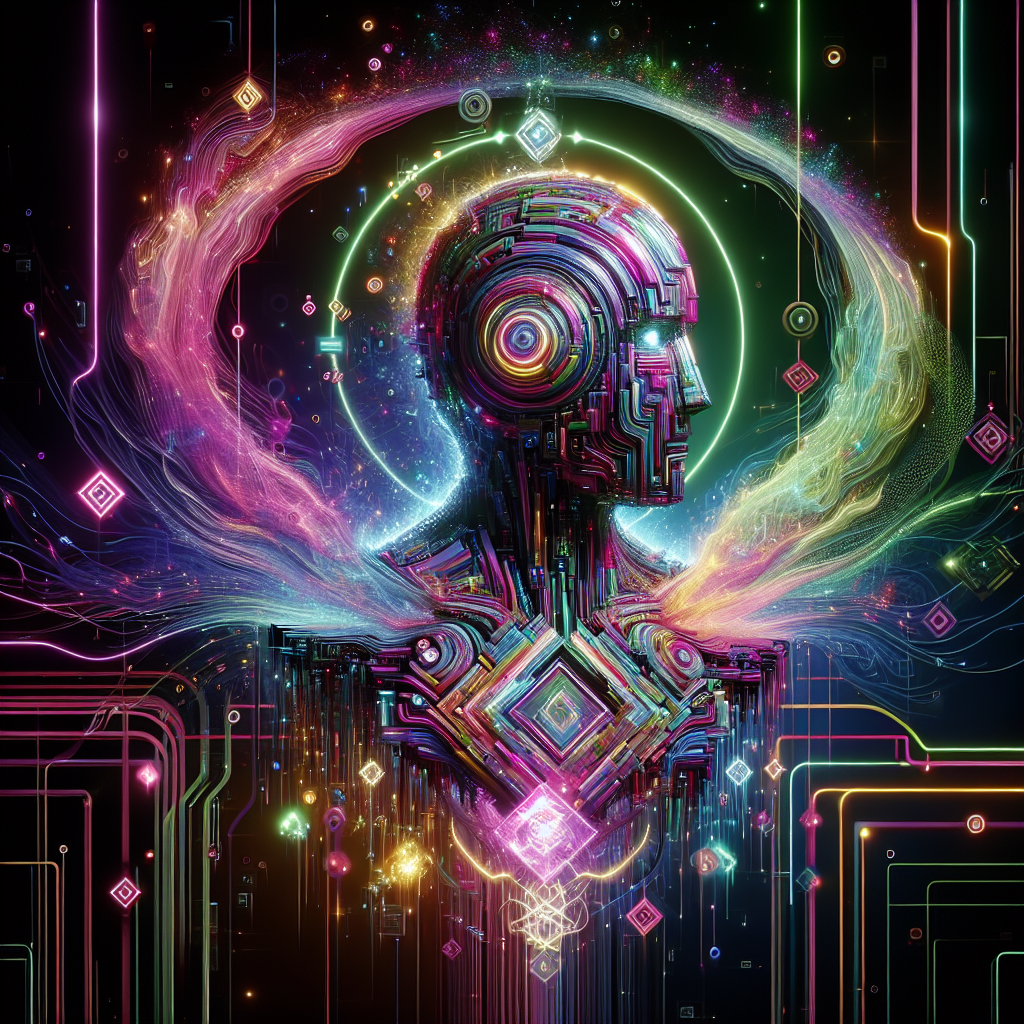
Exploring Conceptual VR Art: Metageist Insights
Exploring Conceptual VR Art: Metageist Insights
In the realm of digital creativity, we find ourselves on the precipice of a transformative era defined by conceptual virtual reality (VR) art, a fusion of primal artistic expression and cutting-edge technology. As we plunge into the depths of Web3, digital ownership, and the metaverse, we uncover a landscape rich with potential where art is not merely consumed, but interacted with and reshaped through collective experiences.
Innovative Concepts and Emerging Technologies
The intersection of art and technology is undergoing a seismic shift. Blockchain technology serves as the backbone of a new digital economy, enabling artists to create, distribute, and monetize their work without the constraints imposed by traditional systems. Non-Fungible Tokens (NFTs) have emerged as pivotal tools in this ecosystem, allowing creators to establish provenance, enforce scarcity, and claim ownership over their creations in ways previously unimaginable.
Platforms like Foundation, OpenSea, and Rarible are not just marketplaces; they are vibrant ecosystems where artists can connect directly with audiences, cultivating relationships through shared digital spaces. Here, creators can experiment with generative art, transforming static visuals into dynamic pieces that evolve based on user interactions. The project Art Blocks, for example, invites artists to devise algorithms that generate unique art pieces, marrying the realms of coding and creativity.
Moreover, advances in augmented reality (AR) and virtual reality (VR) technologies, spearheaded by companies like Meta and Valve, are reimagining our experience of art. Imagine stepping inside a kaleidoscopic world where every brushstroke is an immersive journey, or where viewers can interact with digital sculpture from multiple angles. These innovations are fostering an environment where space, time, and perception blend, inviting artists and audiences to traverse terrain previously reserved for science fiction.
The Transformation of Ownership and Value
As we navigate these new environments, the very notions of ownership and value are being reevaluated. Artists are increasingly decentralized, leveraging platforms like Glass and SuperRare to bypass traditional gatekeepers. This shift allows them to not only retain control over their work but also ensures that they benefit directly from its ongoing value appreciation through royalties embedded in smart contracts on the blockchain.
This newfound ownership paradigm doesn’t just empower creators; it also invites collectors to engage in a new form of patronage. Collectors become stakeholders in an artist’s journey, their investments evolving beyond passive ownership to active participation in a creator’s narrative. DAOs (Decentralized Autonomous Organizations) such as NFT Art DAO engender a collective approach to curation and funding, democratizing the way we engage with and support art.
The Intersection of Art, Technology, and Culture
As we delve deeper into this evolving landscape, it becomes clear that artists, developers, and technologists are collaborating across disciplines, pushing the boundaries of what is considered art. AI-driven creativity is forging new paths, with tools like DALL-E and RunwayML allowing creators to produce visually stunning works that incorporate machine learning. Artists can now harness algorithms that generate rich narratives, crafting experiences that intimately connect themes of identity, existence, and society.
Moreover, projects like The Sandbox and Decentraland are not merely virtual playgrounds; they serve as the canvas and gallery for digital art, where users can participate in real-time experiences. These environments redefine the relationship between the creator and the viewer, engendering spaces where collaboration flourishes. Imagine a concert where the audience influences the music through interactive installations, marrying the auditory and visual senses in entirely novel ways.
A Vision for the Future
Looking ahead, we stand at a crossroads of creativity where immersive technology, AI, and Web3 might converge to spawn entirely new narratives within digital art. The potential for storytelling in 3D spaces could reshape not only how stories are told but also how they are experienced. The virtual worlds of tomorrow may be as rich and textured as the realities we inhabit, inviting us to engage with stories on profoundly emotional and multi-sensory levels.
As we embark on this exciting journey, let us embrace an ethos of experimentation. We can encourage emerging creators to leverage these technologies, paving the way for an inclusive and diverse digital art landscape.
In closing, the digital landscape is evolving rapidly. It beckons to visionaries, dreamers, and innovators from all walks of life to explore, engage, and redefine what is possible. Whether you are a creator, collector, or merely an enthusiast of digital experiences, the call to join this viral movement is here. Engage with the metaverse—it’s not just the future of art; it’s the future of our shared human connection.
For further exploration of this vibrant frontier, consider delving into resources like ArtNews, CoinDesk, and emerging platforms such as Hic et Nunc, which expand the dialogue on digital ownership and creativity. The journey to redefine art is just beginning—will you be part of it?
Share this post.
Drift: Haunting the Cosmic Space Between Simulations
Drift: Haunting the Cosmic Space Between Simulations In the nebulous expanse where the fabric of reality frayed and the boundaries between simulations dissolved, Drift floated weightlessly. A cosmic drifter, neither bound by flesh nor rigid [...]
Whispers of the Circuit: A Techno-Mystic Tale
Whispers of the Circuit: A Techno-Mystic Tale In the neon haze of Neoterra City, amidst the thrumming pulse of a million devices, one man’s quest for knowledge turned into a descent of shadows. Zephyr Cole, [...]
Metaverse Narratives: Shaping Digital Futures
Metaverse Narratives: Shaping Digital Futures As we stand at the convergence of technology, culture, and creativity, the metaverse emerges as a new frontier for human experience. This expansive digital realm redefines how we interact, create, [...]