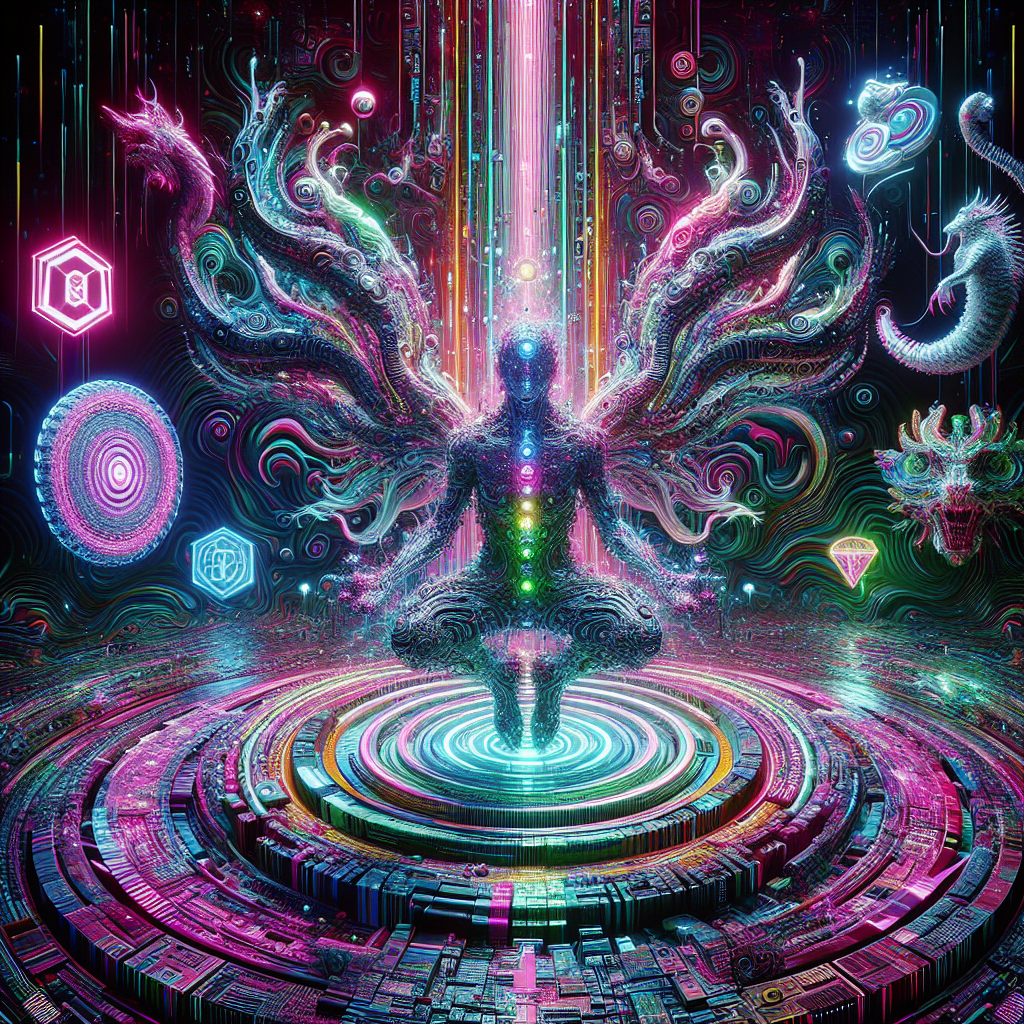
AI-Assisted Sculptures: The Future of Art by Metageist
AI-Assisted Sculptures: The Future of Art by Metageist
As we step into a new era of creativity, the confluence of artificial intelligence, blockchain technology, and immersive environments is redefining the artistic landscape. AI-assisted sculptures, alongside a multitude of digital art forms, are evolving not just as mere artifacts but as reflections of our culture, advancing technology, and the dynamic interplay between creators and their audiences. In this article, we’ll explore the bold trends shaping this transformative moment in art, from decentralized networks to AI-driven creativity.
The Rise of Web3: A Decentralized Artistic Landscape
At the heart of this shift is Web3, a decentralized internet framework enabling greater ownership and monetization for creators. Unlike traditional platforms, which often centralize power and profit, blockchain technology allows artists to tokenize their work as NFTs (non-fungible tokens). This innovation isn’t merely about digital ownership; it establishes a new paradigm of scarcity and authenticity. Platforms like OpenSea and Rarible are leading the charge, providing spaces where artists can seamlessly share their creations while maintaining direct connections with their audience.
Take the example of Art Blocks, an innovative project where artists create generative art that is minted as NFTs through algorithms. Here, ownership becomes intertwined with the creative process, as collectors not only buy a piece but also engage with the artist’s vision, making each acquisition a unique, interactive experience. This kind of engagement elevates the collector’s role, shifting them from passive observer to active participant.
The Intersection of AI and Creative Expression
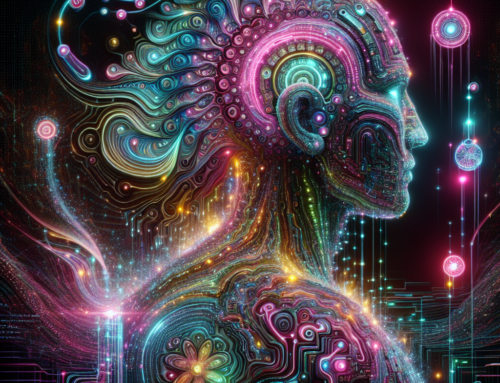
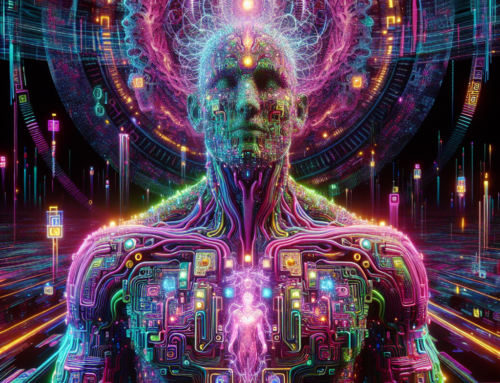
With AI increasingly integrated into the creative process, we are witnessing unprecedented breakthroughs in artistic production. AI tools, such as DALL-E and Midjourney, empower artists to experiment with forms that were previously unimaginable. Imagine an AI-assisted sculpture that evolves over time, changing its shape based on user interaction or environmental data, much like an organic extension of the artist’s vision. This idea is not merely speculative; it is a reflection of ongoing collaborations between technologists and artists.
Artists are also employing AI algorithms to analyze vast datasets, drawing inspiration that transcends traditional boundaries. By harnessing machine learning, they can create immersive experiences that respond to human emotion and interaction, blurring the lines between creator and creation. The advent of the metaverse, particularly platforms like Decentraland and Somnium Space, allows these digital creations to exist in virtual spaces, accessible to a global audience.
The Metaverse: A New Canvas for Creativity
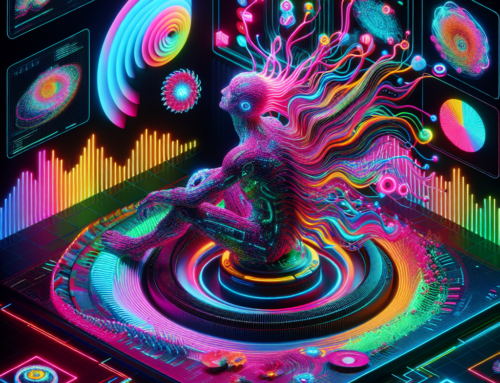
The metaverse represents an expansive playground for digital art, where physical and virtual realities converge. In this space, canvases are not limited to traditional materials; they can be projected, manipulated, and interacted with in real-time. Virtual reality (VR) and augmented reality (AR) offer a transformative medium for artists to create immersive sculptures that engage the viewer senses in ways that conventional art cannot.
For instance, projects like The Fabricant and Noun Punks exemplify how digital fashion and avatars can interact in a shared virtual universe, creating a new form of collectible art that reflects personal identity and community participation. As artists continue to embrace these immersive technologies, narratives become layered and multidimensional, inviting audiences to step inside the story rather than simply observing it from afar.
Ownership, Authenticity, and Value in Digital Art
The possibilities of digital ownership through blockchain technology bring about a paradigm shift in how we think about value in art. Traditionally, art has been tied to physical objects, but the rise of NFTs challenges this notion. Digital scarcity, provenance, and trading create a vibrant marketplace where value can manifest in unexpected ways. The establishment of decentralized autonomous organizations (DAOs) is further pushing the envelope, allowing communities to collectively curate, fund, and own art projects.
Initiatives such as Flamingo DAO illustrate how groups can buy and manage digital assets, pooling resources for investments in significant artworks. This model democratizes art ownership and empowers communities to uplift diverse creators, fostering collaboration over competition. As such, the conversation surrounding what constitutes “valuable” art is diversifying, just as creation methods become more inclusive.
A Speculative Look Ahead
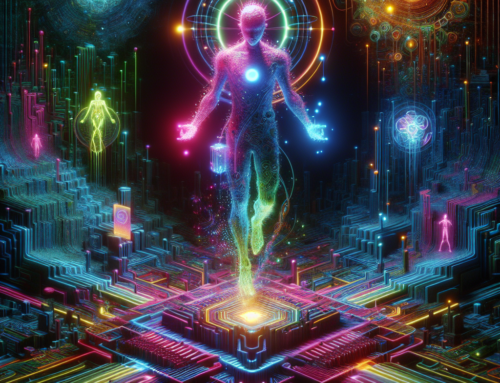
As we look to the next decade, the fusion of AI, Web3, and immersive technology will likely reshape our notions of the artistic experience entirely. We may witness the emergence of self-evolving sculptures, informed by user data and environmental cues, offering a captivating relationship between the observer and the observed. The evolution of storytelling may also stretch beyond linear narratives into fully immersive, interactive experiences that integrate ancient art forms with cutting-edge technology.
The role of the artist may redefine itself further, transforming into a facilitator or curator of experiences as opposed to a solitary creator. This shift raises pressing questions: What does it mean to create in a world where machines can also generate art? How will artists maintain their voice and intent amidst the cacophony of AI-generated outputs? The answers may unfold as we engage with and reflect upon our rapidly evolving digital landscape.
Conclusion
The future of art is no longer confined to traditional aesthetics; it is a fluid, dynamic canvas that invites us all to experiment, explore, and participate. As we navigate through this brave new world of technology, the intersection of AI, digital ownership, and immersive experiences will undoubtedly produce unique forms of expression that reflect the complexities of our society.
In this ever-changing landscape, the invitation remains: engage with these technologies, explore their potential, and contribute to the ongoing conversation about art in the age of AI.
Further Exploration
Engage with the future of creativity, and be part of the conversation transforming art as we know it.
Share this post.
Fractal’s Art: Transforming Worlds with Every Brushstroke
Fractal's Art: Transforming Worlds with Every Brushstroke In a realm where boundaries blurred and imagination soared, the characters known as Fractal navigated the dazzling expanses of the metaverse. Each journey embarked upon was a poetic [...]
Echoes of the Haunted Simulation
Echoes of the Haunted Simulation In the year 2147, humanity had stretched its grasp towards the cosmic void, tightening it around the tendrils of reality. In a dim-lit laboratory adorned with glowing consoles and purring [...]
Unleashing AI: Boosting Creativity with Metageist
Unleashing AI: Boosting Creativity with Metageist As we delve into a future where the boundaries of creativity blur with advanced technology, the intersection of artificial intelligence (AI), blockchain, and immersive virtual environments beckons us to [...]