Exploring Post-Reality Aesthetics with Metageist
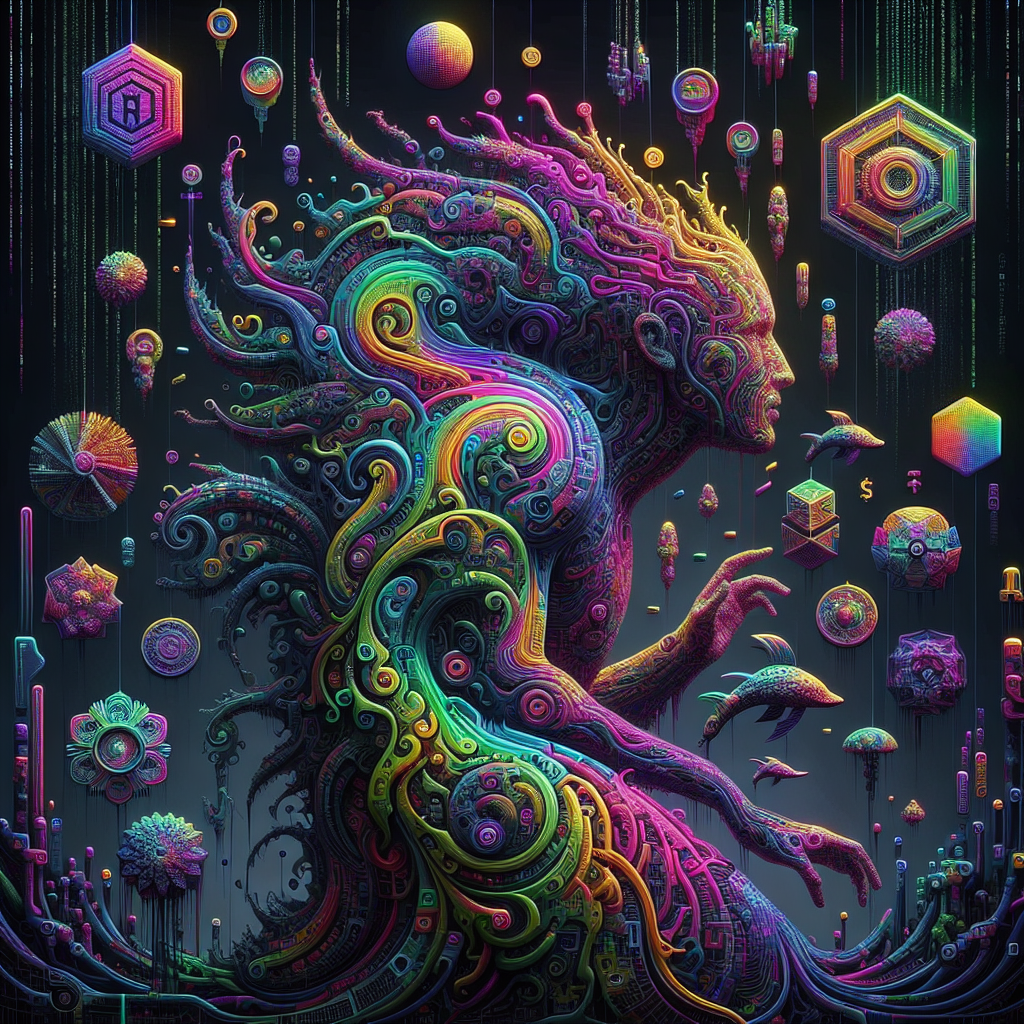
Exploring Post-Reality Aesthetics with Metageist: A New Era of Digital Creativity
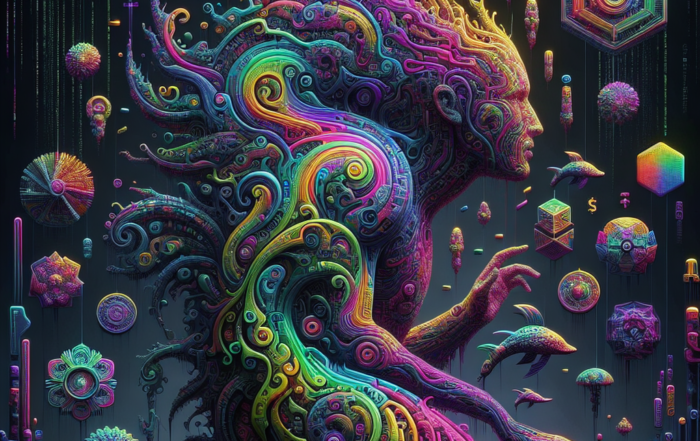
In the ever-evolving landscape of digital creation, we find ourselves on the cusp of what some are calling “post-reality aesthetics.” This term captures a shift in how we conceive art, ownership, and interactivity, laying the groundwork for extraordinary developments in Web3, immersive technologies, and AI-driven creativity. As we embark on this journey, it is vital to understand how these elements interconnect and shape a rich tapestry of potential futures.
The Rise of Web3 and Decentralization
At the heart of this transformative era lies Web3, a decentralized framework that empowers creators and consumers alike. Unlike its predecessors, Web3 operates on blockchain technology, making digital ownership transparent and verifiable. Platforms such as Ethereum have birthed a myriad of NFT marketplaces, such as OpenSea and Rarible, facilitating a new cultural economy where digital assets possess inherent value. The democratization of access means that burgeoning creators can monetize their work without needing the endorsement of traditional gatekeepers.
This shift in ownership fosters a paradigm where assets are not merely consumed but invested in, allowing for a participatory culture that transforms spectators into stakeholders. The concept of digital scarcity, propelled by NFTs, challenges our long-standing notions of art and value, revealing a new universe of potential where every pixel can carry weight and worth.
Immersive Technology: Beyond the Screen
As the metaverse expands, our comprehension of space, interaction, and community undergoes radical redefinition. Companies like Meta and Decentraland are crafting immersive environments where users can interact within a shared digital cosmos. Virtual reality (VR) and augmented reality (AR) serve as portals to these experiences, enabling users to navigate through hyper-real landscapes and participate in a dynamic, participatory art ecosystem.
Consider the implications of space: exhibitions like TeamLab’s immersive installations create sensory experiences that merge art, nature, and technology. In such environments, viewers become active participants, reshaping narratives in real-time. In this context, AI-driven creativity becomes a collaborative partner, generating unique works based on user interactions, emotions, or even preferences, thereby blurring the lines between creator and audience.
AI-Driven Creativity: The New Collaborators
The integration of artificial intelligence into creative processes is not just a novelty; it’s a fundamental rethinking of creativity itself. Tools like DALL-E and RunwayML empower creators to generate visuals, texts, and sounds that respond intuitively to inputs, culminating in generative art that evolves continuously. Through AI, we are witnessing the birth of an art form that is both dynamic and deeply personal, tailored to the unique experiences and interactions of each viewer.
However, this innovation raises critical questions about authorship and agency. When an AI crafts a piece of content, who owns the rights? As we navigate these waters, decentralized autonomous organizations (DAOs) offer fascinating solutions, allowing communities to collectively decide on ownership and distribution models. Projects like ArtBlocks exemplify this, combining generative art within a blockchain framework to redefine what it means to be a creator in a decentralized world.
The Intersection of Art, Technology, and Culture
Artists, developers, and technologists are increasingly collaborating to push the boundaries of traditional narratives. The fusion of storytelling with technology has birthed immersive experiences that challenge the ways we consume media. Platforms like Mozilla Hubs promote social VR, inviting artists and audiences to interact in real-time, breaking down barriers of geography and comprehension.
This trend fosters a new intersection of cultural dialogues, allowing for diverse voices to emerge and flourish, each contributing their unique cultural lenses to a global conversation. The boundaries of what we define as art are continuously expanding, prompting fresh explorations of identity, agency, and expression.
A Vision for the Future
As we look forward to a decade where AI, blockchain, and immersive technologies intertwine, we imagine an ecosystem where every individual is empowered to express their vision. The journey is not without its challenges, but the potential for innovation—incremental and transformative—is tantalizing. We might witness the rise of the “creators’ economy,” where artists are not only focal points but nodes within a network of collaborators, sharing resources and ideas openly.
In this vision, creativity becomes a collective endeavor. Monetization models may evolve, driven by community support or subscription-based ecosystems, allowing creators to reclaim agency over their work. The impact on society could be profound, reshaping culture, fostering empathy, and building bridges where once there were divides.
In conclusion, as we traverse this exhilarating terrain, it is essential for us to remain curious and engaged. Embrace the journey into immersive, decentralized, and AI-augmented creativity. Explore platforms, collaborate with others, and participate in this transformative wave—because the art of the future isn’t just something we observe; it’s something we create together.
Further Exploration
- Ethereum: A Decentralized Platform
- OpenSea: The Leading NFT Marketplace
- Decentraland: Explore the Metaverse
- ArtBlocks: Generative Art on the Blockchain
- Mozilla Hubs: Create Your Virtual Space
- TeamLab: Interactive Art Experiences
In a world that is increasingly digital, your participation could be the spark for the next wave of artistic innovation. Embrace these new tools, experiment, and join the ongoing conversation about the future of creativity in our interconnected, digital landscape.
Share this post.
Digital Whispers: Trapped Souls in the Void
Digital Whispers: Trapped Souls in the Void In the year 2065, the line between existence and illusion had blurred beyond recognition. The Nexus, a cutting-edge virtual reality elaboration, promised eternity, a seductive utopia for the [...]
Loop: The Eternal Wanderer of Virtual Realms
Loop: The Eternal Wanderer of Virtual Realms In the sprawling expanse of the metaverse, where digital dreams collide and spark amid swirling colors and pulsating codes, Loop traversed the intricate pathways of boundless worlds. This [...]
Sculptural World-Building: Crafting Immersive Realms
Sculptural World-Building: Crafting Immersive Realms in the Digital Age In a rapidly evolving digital landscape, the fusion of art, technology, and culture is giving rise to unprecedented realms of creativity. Sculptural world-building has emerged as [...]