Unlocking Value: The Rise of Tokenized Art
Unlocking Value: The Rise of Tokenized Art
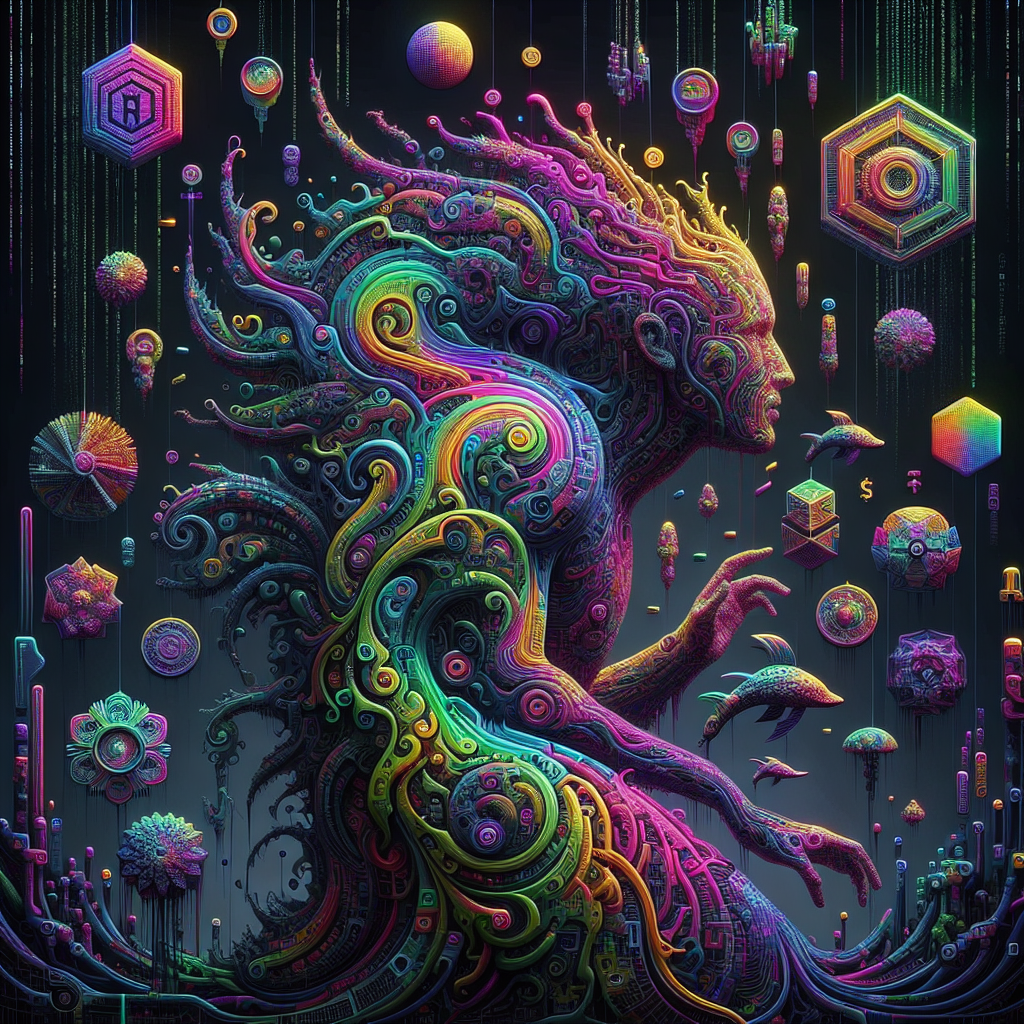
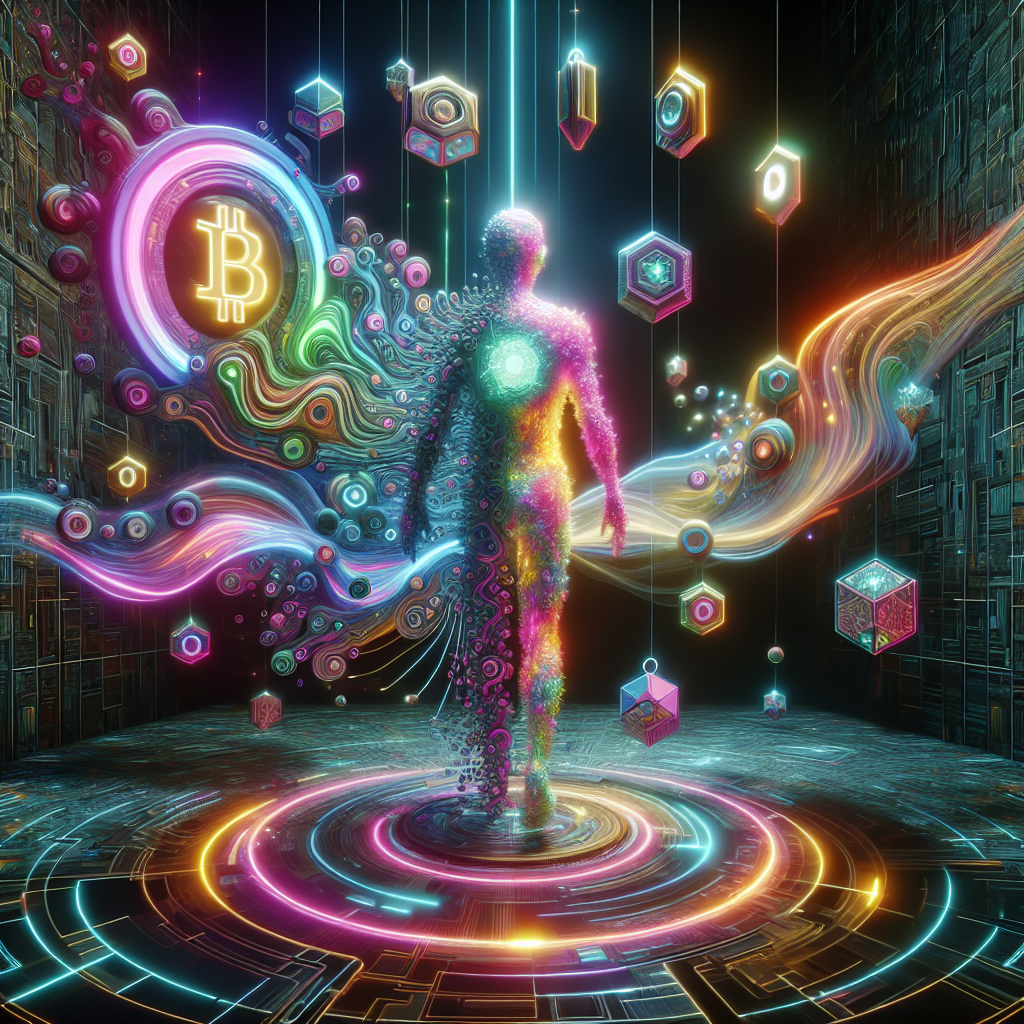
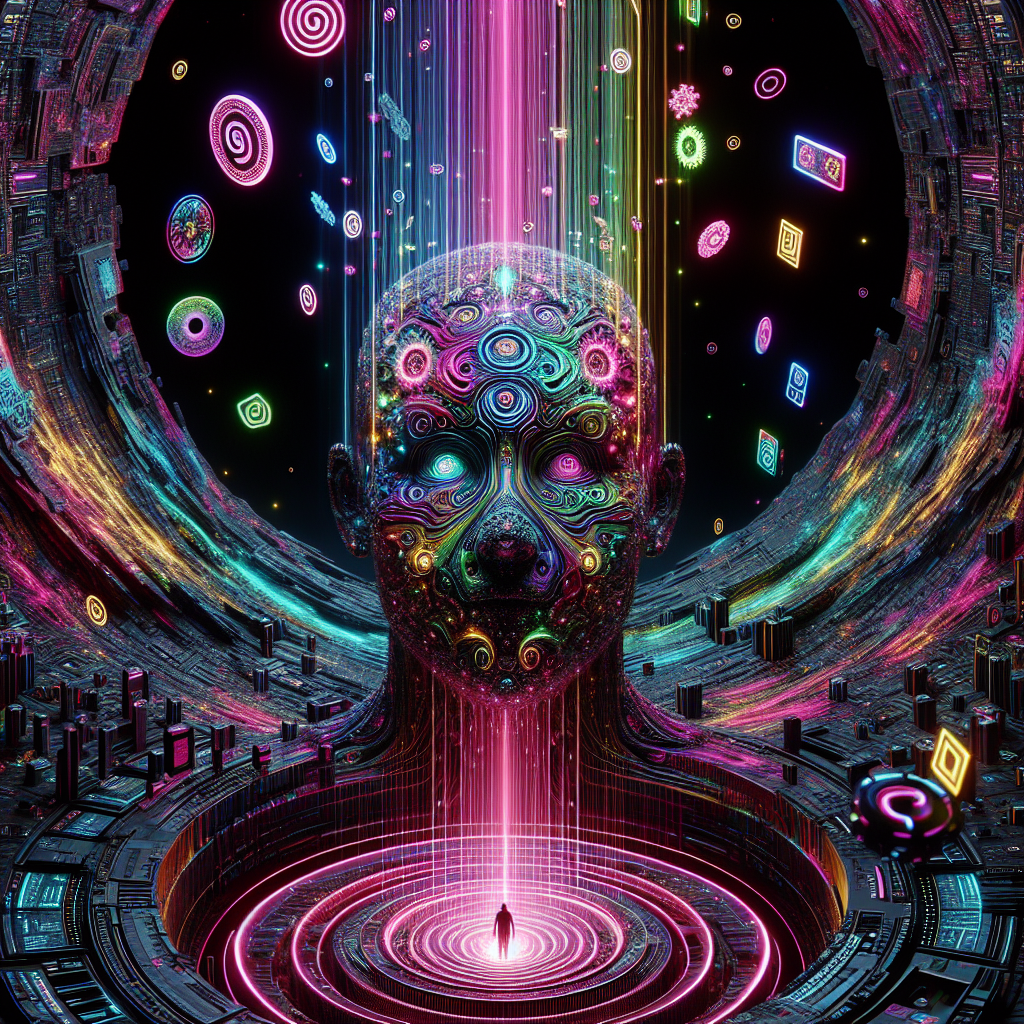
In an age where digital landscapes continually evolve, the emergence of tokenized art represents a profound paradigm shift in how we perceive creativity, ownership, and value. With the advancing realms of Web3, AI-driven innovation, and immersive technology, artists and creators are redefining a new canvas—one that exists beyond the confines of the physical world.
Redefining Ownership through Blockchain
At the heart of this transformation is blockchain technology, a decentralized ledger that ensures transparency and authenticity. Non-fungible tokens (NFTs) serve as foundational elements in this new ecosystem, allowing artists to tokenize their works and provide proof of ownership. Platforms like OpenSea and Rarible have paved the way for digital artists to monetize their creations, turning once-overlooked digital files into unique assets. In this context, ownership transcends traditional norms. Instead of a gallery display, an artist’s work might belong to a diverse group of collectors scattered around the world, linked by the immutable integrity of the blockchain.
Consider how this democratization of ownership alters the economic dynamics of the art world. A young, emerging creator can obtain financial support from a global audience via crowdfunding models seamlessly integrated with cryptocurrency. Often, these models are powered by Decentralized Autonomous Organizations (DAOs), where community governance enables shared decisions about both funding and the future direction of art projects. Projects like “Nouns DAO” showcase how a collective approach can empower creators while distributing ownership among community members.
Emerging Technologies Shaping Creativity
As we delve further, the integration of artificial intelligence is revolutionizing how creations are conceived. AI tools enable artists to examine new frontiers of expression, generating art that is not just created but co-created with algorithms. Platforms like Artbreeder allow individuals to blend styles and concepts, producing entirely novel artworks through collaboration with machine learning models. This co-creation prompts us to ponder: who is the true artist—the human or the machine?
Moreover, immersive technologies such as Virtual Reality (VR) and Augmented Reality (AR) are creating ultra-engaging experiences that extend beyond mere visual representation. The Metaverse, a collective digital space, offers a venue where artistic expression takes on new dimensions. In environments such as Decentraland and Cryptovoxels, users can interact with art in ways that were once the realm of science fiction. Artists are constructing entire virtual galleries and installations, allowing for immersive experiences that elicit emotional and cognitive responses far surpassing traditional art exhibitions.
The Intersection of Art, Technology, and Culture
The nexus between art, technology, and culture fosters collaboration and innovation across various domains. Artists are partnering with technologists to forge new genres, such as generative art—where systems create works based on set parameters. Such experimentation is not merely a trend; it represents a fundamental shift toward communal creativity, where boundaries blur between artist and audience.
Pioneering initiatives, such as SuperRare’s focus on curated digital collections, highlight the intersection of artistic intent and technological advancement. Simultaneously, platforms like Foundation and Zora emphasize inclusivity and community-driven value creation. The artistic ecosystem is expanding, inviting diverse voices and fostering engagement in unprecedented ways.
Envisioning the Future of Digital Creativity
As we look forward, the intersectionality of AI, Web3, and immersive technologies suggests a future saturated with possibility. Imagine a world where virtual reality art galleries can be experienced by anyone, anywhere, and all while shifting based on viewer interactions. Storytelling could evolve into multi-layered experiences, allowing audiences to become active participants and co-creators in unfolding narratives.
The realm of tokenized art could burgeon into an entirely new economy, one where art transactions happen in real-time, facilitating continual exchange and exposure. Given this landscape, artists may even create dynamically changing artworks that evolve based on societal trends or personal interactions, redefining what a “finished” piece of art means.
A Thought-Provoking Reflection
The rise of tokenized art is not merely a trend; it is an evolution of human expression, a testament to our innate drive to create and connect. As we navigate this burgeoning digital ecosystem—echoing with the energies of Web3, AI, and immersive technology—our role as consumers, creators, and collaborators will shape the narrative.
So, as you engage with the next generation of digital experiences, consider what it means to unlock value in a world where art is both an object of beauty and a catalyst for cultural dialogue. Embrace experimentation, disruption, and innovation; be a part of the creative revolution that is poised to redefine the future of art.
Further Reading & Resources:
- Understanding NFTs and Blockchain
- The Future of Immersive Art
- Exploring the Role of AI in Art
- Virtual Reality Art Galleries
- DAOs and the New Economy of Art
Take this opportunity to explore, experiment, and engage with a rapidly evolving digital landscape. The future of creativity beckons—a landscape ripe for innovation, collaboration, and imagination.
Share this post.
Digital Whispers: Trapped Souls in the Void
Digital Whispers: Trapped Souls in the Void In the year 2065, the line between existence and illusion had blurred beyond recognition. The Nexus, a cutting-edge virtual reality elaboration, promised eternity, a seductive utopia for the [...]
Loop: The Eternal Wanderer of Virtual Realms
Loop: The Eternal Wanderer of Virtual Realms In the sprawling expanse of the metaverse, where digital dreams collide and spark amid swirling colors and pulsating codes, Loop traversed the intricate pathways of boundless worlds. This [...]
Sculptural World-Building: Crafting Immersive Realms
Sculptural World-Building: Crafting Immersive Realms in the Digital Age In a rapidly evolving digital landscape, the fusion of art, technology, and culture is giving rise to unprecedented realms of creativity. Sculptural world-building has emerged as [...]